What Is Fruit Packaging and Which Type Is Best?
Fruit packaging is more than a box, tray, or plastic film around fresh produce. It protects delicate fruit from bruising, moisture loss, contamination, and rough movement during transport. A good package also keeps berries visible, apples stable, and bananas ventilated. Small details matter. A blocked air hole can accelerate decay. Excess space can increase impact damage.
Dr. Susan Selke, a packaging scientist and author, describes the central challenge clearly: “Packaging must protect the product while limiting its own environmental burden.” Her view reflects a practical truth in fruit packaging. Protection comes first, but material use, recyclability, airflow, and end-of-life disposal also deserve careful attention. The best option depends on the fruit, supply chain, storage temperature, and selling environment. There is no universal winner.
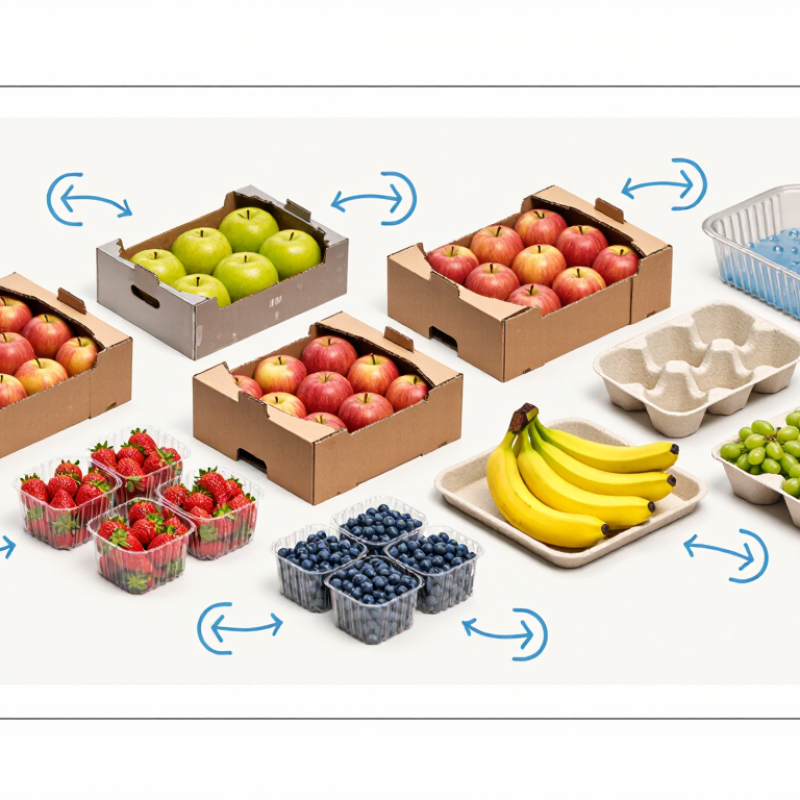
Corrugated cartons suit heavier fruit and longer shipping routes. Molded fiber trays can cushion produce while offering a paper-based presentation. Ventilated plastic punnets often protect berries and allow customers to inspect quality. Flexible films may reduce moisture loss, yet they can complicate recycling. That trade-off is easy to overlook.
Real packaging trials often reveal uncomfortable flaws. A design may look sustainable but fail after condensation forms inside. Another may protect fruit well but use too much material. Even experienced teams must test, measure, and revise. This guide examines the main fruit packaging types, their strengths, limitations, and practical uses, helping readers choose with evidence rather than attractive assumptions.
What Is Fruit Packaging and Why Does It Matter?
Fruit packaging is more than a container. It protects freshness, appearance, and food safety from harvest to purchase. A firm apple can bruise inside a deep carton when other fruit presses against it. Soft berries may lose quality quickly when moisture remains trapped.
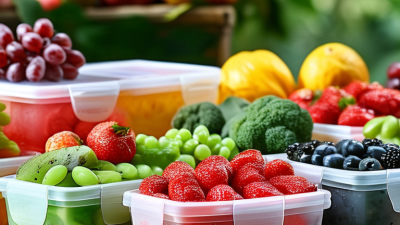
Small details matter. Ventilated cartons help release heat and condensation. Cushioning reduces impact during loading and transport. Reusable plastic crates can support repeated handling, while molded fiber trays separate delicate fruit without excessive movement. Paper-based packs may suit dry produce, but they can weaken after contact with water. The best type depends on the fruit, travel distance, storage temperature, and selling environment.
Packaging also communicates care. Clear labels can show origin, handling guidance, and dates without making claims that cannot be verified. In practical testing, I would check crushed corners, wet surfaces, airflow, and how easily workers can stack each package. A package that looks sustainable may still waste fruit if it causes bruising. No package is perfect. Reducing plastic may increase damage, while adding protection may increase material use. That trade-off deserves honest review. A reliable choice protects the fruit first, then considers recyclability, cost, worker safety, and customer convenience.
How Do Different Fruit Packaging Types Work?
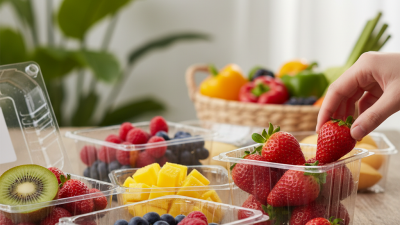
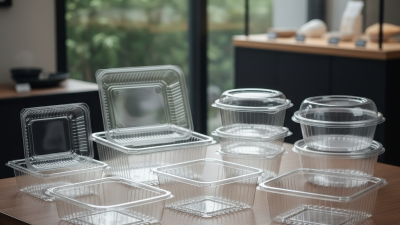
Fruit packaging controls pressure, moisture, airflow, and temperature around delicate produce. Its best type depends on the fruit, travel distance, and storage conditions. Rigid plastic punnets protect berries from crushing. Small ventilation holes release heat and moisture. This helps reduce condensation, although excessive airflow can dry the fruit.
Corrugated fiberboard cartons suit apples, citrus, and other firm produce. Their fluted layers absorb impacts during stacking and transport. Dividers prevent fruit from rubbing against one another. Molded pulp trays provide similar separation with less plastic, but they can weaken when wet. Flexible films and modified-atmosphere packs slow respiration by adjusting oxygen and carbon dioxide levels. They require careful sealing. A small mistake may accelerate spoilage instead of preventing it.
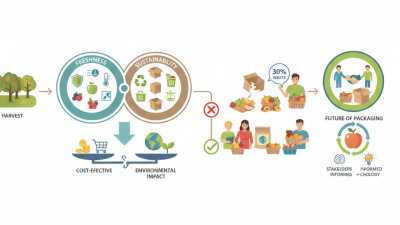
The Food and Agriculture Organization reported that 14% of food is lost between harvest and retail globally in The State of Food and Agriculture 2019. The UNEP Food Waste Index Report 2024 estimated 1.05 billion tonnes of food waste in 2022. Packaging cannot solve every loss, but it can limit bruising and dehydration when matched correctly. No package wins every test. In practical handling, I would inspect fruit firmness, ventilation, and condensation before choosing materials. A sealed pack may look cleaner, yet trapped moisture can quietly damage berries. Packaging decisions should also consider reuse, recycling systems, and total material use, not appearance alone.
What Is Fruit Packaging and Which Type Is Best?
How do different fruit packaging types work? The chart compares common packaging formats using five practical functions. Ratings are comparative scores from 1 to 5 based on typical packaging characteristics, not brand or company performance.
How to read the chart: Rigid containers such as clamshells provide strong protection and visibility, while ventilated cartons and mesh bags support airflow. Modified-atmosphere packs can improve moisture and gas control, but their effectiveness depends on correct film selection, sealing, temperature, and fruit respiration.
Which Packaging Best Fits Different Fruits and Supply Chains?
Fruit packaging works best when it matches both the fruit and its journey. Soft berries need shallow, ventilated punnets that limit crushing and moisture buildup. A small vent can prevent condensation, but oversized openings may cause faster drying. Stone fruit benefits from molded trays and firm outer cartons. These trays separate peaches or plums during handling. They also reduce bruising when pallets move across uneven roads.
Hard fruits allow more flexibility. Apples and pears often travel well in fiberboard cartons with dividers or protective trays. Citrus can use cartons, mesh bags, or reusable crates, depending on distance and handling conditions. Bananas need strong, ventilated cartons that support airflow without exposing the fruit to excessive pressure. For sea shipments, packaging must manage humidity and long storage. Air freight usually favors lighter designs, although lighter materials may offer less protection. The trade-off is real.
In practical packing checks, the best design is not always the most attractive one. A neat box can still leave fruit rolling inside. A strong carton can also trap heat if ventilation is poorly placed. Testing should include drop checks, stack trials, temperature records, and inspections after transport. Freshness matters. So does waste control. Reusable crates may suit short regional routes, while recyclable fiberboard can work better for longer distribution. Packaging should also meet food-contact and transport requirements in each market. Small adjustments matter, such as changing pad thickness or reducing empty space. Some decisions remain imperfect, especially when cost, protection, and sustainability compete.
What Standards Guide Safe and Sustainable Fruit Packaging?
Safe fruit packaging begins with hygiene, traceability, and resistance to damage.
Codex Alimentarius CXC 1-1969 recommends hazard-based controls across food handling. Packaging should protect fruit from microbes, moisture loss, bruising, and temperature abuse. In practice, I check clean contact surfaces, seal integrity, ventilation, and readable batch information. These details matter during humid transport.
International standards also shape material choices. ISO 18606 covers organic recycling for suitable packaging. EN 13432 sets requirements for industrially compostable packaging. However, compostable does not mean home-compostable. Collection systems must exist. The EU Packaging and Packaging Waste Regulation, Regulation (EU) 2025/40, pushes recyclability, recycled content, and reduced packaging waste. Wooden pallets and crates may also require ISPM 15 treatment and marking during international trade.
Sustainability must not weaken food protection. The FAO reported that 13.2% of food was lost after harvest and before retail in 2021. A stronger package can reduce bruising, yet extra material increases environmental pressure. UNEP’s Turning off the Tap report estimated that plastic pollution could fall by 80% by 2040 through reuse, recycling, and redesign. The answer is not perfectly neat. A recyclable tray still fails if local facilities cannot process it. Fruit packers should test real routes, measure shelf life, and compare packaging weight with avoided product loss. Evidence should guide the decision, not fashionable material claims.