How to Source Clamshell Packaging in Canada?
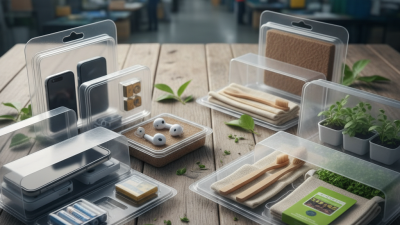
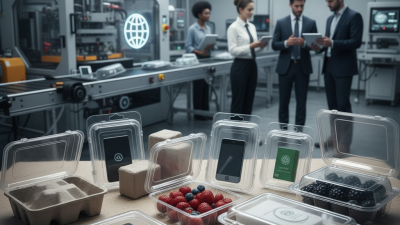
Sourcing clamshell packaging in Canada requires more than comparing online prices. Buyers must match the package with the product, production volume, and retail environment. A clear PET clamshell may suit berries, hardware, or small electronics, while recycled-content options can support specific sustainability goals. However, material claims should be verified through supplier documentation, not accepted at face value.
Start by identifying Canadian manufacturers, distributors, and custom packaging converters with relevant industry experience. Ask for samples that show hinge strength, seal performance, closure consistency, and product visibility. Place a sample beside the actual item. Check whether it opens smoothly without damaging the contents or creating sharp edges. Request details about resin type, recycled content, dimensions, tooling fees, minimum order quantities, and lead times. Reliable suppliers should explain quality controls and provide clear commercial terms.
The phrase clamshell packaging canada often leads buyers toward broad supplier lists, but sourcing decisions need local evidence. Confirm shipping costs, warehouse locations, replacement policies, and communication practices before approving a purchase order. Canadian weather can affect transportation and storage, especially during winter. A package that performs well in a showroom may behave differently after cold delivery or repeated handling. No supplier is perfect. Small inconsistencies may appear between production batches, so incoming inspections remain important. Keep written specifications, test samples, and approval records. This creates accountability and helps resolve disputes professionally. A careful sourcing process may take longer, but it reduces waste, delays, and costly packaging changes later.
Define Clamshell Packaging Requirements for the Canadian Market
Before sourcing clamshell packaging in Canada, define the product and market requirements clearly.
Record the item’s length, width, height, weight, and fragile points. Leave enough internal clearance for easy loading without unwanted movement. A sample product should be tested inside the package, not only measured on paper.
Select the material according to use conditions.
Recycled PET may suit clear retail packaging, while other formats may support different durability needs. For food-related products, request suitable food-contact documentation from the supplier. Confirm sealing strength, hinge performance, and resistance to cold storage or transportation changes. Canadian distribution can involve long distances and temperature shifts. Test accordingly.
Do not overlook labeling.
English and French requirements may affect printed panels, warnings, instructions, and product information. Recycling guidance can also differ between provinces and local programs. Ask suppliers for current material specifications, recycled-content details, and disposal guidance. Request production samples before approving a large order. Check sharp edges, opening force, visibility, and stacking stability by hand. Small defects matter.
A clean specification is not always a complete one.
I have seen packaging pass a visual review but fail during repeated opening. Include drop tests, compression checks, and customer-use trials. Define acceptable tolerances, inspection methods, delivery terms, and replacement procedures in writing. These details make Canadian clamshell sourcing more predictable, even when the first design needs revision.
Identify Suitable Clamshell Materials, Formats, and Product Features
When sourcing clamshell packaging in Canada, start with the product, not the package shape. I have seen attractive designs fail because the material cracked during cold transport. PET offers clear visibility and good impact resistance. Recycled PET can reduce virgin plastic use, but its clarity and consistency may vary. PVC is sometimes considered for specific applications, yet recyclability and disposal expectations require careful review. For food, confirm that the selected material meets applicable Canadian food-contact requirements.
Choose the format around handling conditions. Hinged clamshells suit small hardware, produce, and retail accessories. Two-piece shells allow more flexible assembly and easier product loading. Heat-sealed formats provide stronger tamper evidence, but they may increase equipment and labor costs. Hanging holes improve shelf presentation. Stacking ribs can reduce crushing in cartons. Keep the design practical.
Small details matter. Add ventilation for moisture-sensitive products. Use a barcode area that remains flat and scannable. Check whether the closure opens without excessive force. It should not.
Ask suppliers for samples, material specifications, seal-strength data, and cold-temperature testing. Compare samples after compression, vibration, and repeated opening. One weakness often appears late. Tooling costs, minimum order quantities, and delivery distance also affect the real purchase price. A lighter package may lower freight emissions, but it can fail if the hinge is too thin. That trade-off deserves measurement, not assumption. Examine labeling space, recycled-content claims, and end-of-life guidance before approving production.
How to Source Clamshell Packaging in Canada?
Identify Suitable Clamshell Materials, Formats, and Product Features
Typical resin density helps buyers compare material weight and handling requirements when sourcing clamshell packaging.
Polypropylene is the lightest option in this comparison, while PET and rigid PVC provide higher density and strong clarity.
PLA may suit applications seeking a bio-based material, subject to local composting infrastructure and supplier capability.
Common Formats
Fold-over clamshells, two-piece hinged packs, and heat-sealed trays with lids.
Key Product Features
Clear display, tamper evidence, stackability, hang holes, ventilation, and secure closures.
Canadian Sourcing Checks
Confirm resin grade, recycled content, dimensions, minimum order quantity, cold-weather performance, and end-of-life labeling.
Data shown: representative resin density in g/cm³. Actual values vary by grade, additives, and manufacturing process.
Find and Compare Canadian Clamshell Packaging Suppliers
Sourcing clamshell packaging in Canada requires more than comparing unit prices. Compare suppliers by material, tooling, production capacity, and delivery reliability. Ask whether they thermoform PET, rPET, or other approved polymers. Request samples with your actual product inside. Check hinge strength, seal performance, wall thickness, and visibility under retail lighting. A supplier may offer a lower quote but require expensive tooling changes later. That mistake can erase the initial savings.
The OECD’s Global Plastics Outlook reports that global plastic waste reached 353 million tonnes in 2019, while only 9% was recycled. This makes material selection commercially important, not merely environmental. Compare recycled content, local recovery options, and documented compliance information. UNEP estimates that plastic pollution could fall by 80% by 2040 through reuse, recycling, and better design. Therefore, ask Canadian suppliers for measured recycled content, recycling guidance, and packaging weight data. Vague sustainability claims deserve careful questioning.
Tips: Build a simple scorecard before requesting quotations. Give each supplier the same dimensions, annual volume, product weight, artwork needs, and delivery locations. Compare minimum order quantities and lead times separately. Ask for food-contact or product-safety documentation when relevant. Confirm whether tooling remains yours after payment. Also, test cartons during cold storage and transport; a clamshell that performs well on a workbench may crack in a winter truck. I would not choose the cheapest supplier without reviewing defect rates, corrective-action records, and sample results. Some comparisons remain imperfect, because suppliers measure sustainability differently. Capture the assumptions in writing.
Evaluate Supplier Quality, Pricing, Certifications, and Minimum Orders
How to Source Clamshell Packaging in Canada?
Supplier quality should be tested, not assumed from photographs or polished sales samples. Request production samples made from the same resin, mold, and process. Check hinge strength, closure alignment, wall thickness, transparency, and resistance to cracking at low temperatures. For food packaging, ask for current food-contact declarations, material specifications, and traceability records. Certifications such as ISO 9001 or HACCP can support confidence, but certificates alone do not prove consistent clamshell quality. Review recent audit dates and confirm the issuing organization.
Pricing requires more than comparing the unit cost. Ask suppliers to separate tooling, freight, duties, inspection, and storage charges. A lower quotation may hide expensive molds or weak packaging during transport. Request pricing at several volumes, such as 5,000, 25,000, and 100,000 units. Minimum order quantities can affect cash flow and warehouse space. Some suppliers offer lower MOQs with standard molds, while custom shapes often require larger commitments. Clarify payment terms, lead times, replacement policies, and sample fees in writing.
Test the package with your actual product. A clam shell that protects berries may fail with heavier hardware. Run simple drop tests and repeated opening cycles. Keep records. I once treated a supplier’s “standard” tolerance as acceptable, but small variations caused uneven closures. That mistake was avoidable. Ask difficult questions early, even when the answers feel inconvenient. Recheck recycled-content claims and request supporting documentation before printing environmental statements. Supplier performance should be reviewed after delivery, not only during negotiation.