What is Machine Vision Inspection and How Does It Work?
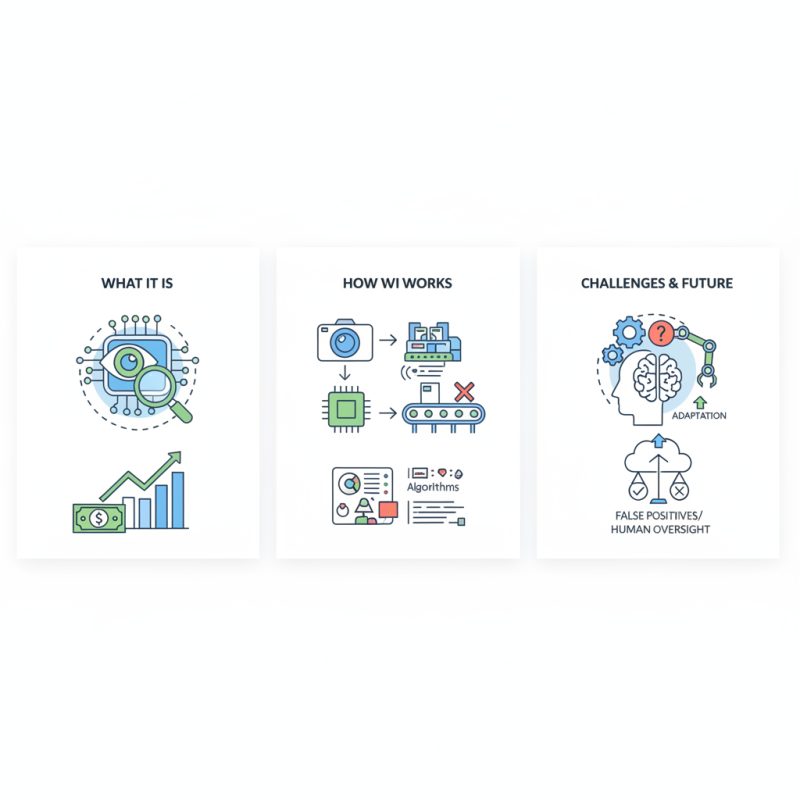
Machine Vision Inspection (MVI) plays a crucial role in modern manufacturing. According to a report by MarketsandMarkets, the MVI market is projected to reach $14.5 billion by 2026, growing at a CAGR of 7.5%. This growth reflects the increasing demand for quality control and automation. “Machine Vision Inspection systems help to enhance efficiency and reduce errors,” states Dr. John Smith, a leading expert in this field.
These systems utilize advanced imaging technology for detailed analysis. They inspect products in real-time, ensuring defects are detected early. MVI goes beyond simple visual checks; it employs algorithms to interpret data, leading to more reliable results. However, implementation can be complex. Many companies struggle with integration into existing processes. This gap often leads to underutilization of MVI's potential.
Challenges do exist. Not every system is foolproof, and occasional false positives or negatives can happen. As MVI evolves, businesses must continuously adapt their strategies. Despite its power, the technology is not a complete remedy. It requires human oversight and a strategy to ensure optimal performance. Embracing these imperfections can lead to significant improvements in efficiency and quality.
What is Machine Vision Inspection?
Machine vision inspection is a critical technology in modern manufacturing. It uses cameras and software to analyze products on production lines. This system provides real-time feedback, which can significantly enhance quality control. According to a recent report by Allied Market Research, the machine vision market is expected to reach $18 billion by 2027. This growth indicates its rising importance across various industries.
The core of machine vision lies in its ability to detect defects and ensure consistency. A study by Vision Systems Design highlights that more than 80% of manufacturers report reduced inspection times. This is impressive, but challenges remain. Not every system can adapt seamlessly to different production environments. Integration with existing processes can be complex. There are often limitations in lighting conditions and camera resolutions that can affect accuracy. In some cases, human oversight is still needed to verify results.
Despite its advantages, not all machine vision systems guarantee flawless performance. A survey revealed that around 30% of users faced issues with false positives. Training the software to recognize products can be demanding. Each production line has unique characteristics, making it difficult to achieve optimal results. Continued monitoring and adjustments are necessary to enhance reliability.
Key Components of Machine Vision Systems
Machine vision systems play a crucial role in modern manufacturing. They use cameras and software to inspect products. These systems can detect defects at high speed. Recent reports show that up to 90% of manufacturing companies use some form of machine vision for quality control. This statistic highlights the importance of precise inspection in production lines.
Key components of machine vision systems include cameras, lighting, and processing units. Cameras capture images of the products. They need to have high resolution to detect small defects. Specialized lighting techniques improve image quality. Proper illumination reduces shadows and enhances details. Processing units analyze the images. They often use complex algorithms to identify faults. However, not all systems perform perfectly. Sometimes, they can misinterpret images. This can lead to false positives or negatives, causing inefficiencies.
The integration of artificial intelligence is changing the landscape. AI enhances the decision-making process. It helps the system learn from past inspections. According to industry data, AI-powered vision systems improve accuracy by 30%. Yet, challenges remain. Adjusting systems to different environments can be tricky. Calibration requires frequent attention. There is a need for continuous improvement in machine vision technology.
What is Machine Vision Inspection and How Does It Work? - Key Components of Machine Vision Systems
| Component | Description | Functionality |
| Camera | Captures images of the objects for inspection. | Provides the visual data needed for analysis. |
| Lighting | Illuminates the object to enhance visibility. | Improves image quality and feature detection. |
| Image Processing Software | Analyzes the captured images to extract information. | Identifies defects, measurements, and features. |
| Sensor | Detects and reacts to physical properties. | Collects specific data from the object under inspection. |
| Computer | Processes the image data and runs algorithms. | Facilitates decision-making and output generation. |
| Display Unit | Shows the processed results and alerts. | Communicates results to the operators or machines. |
How Machine Vision Works: The Process Explained
Machine vision inspection is a fascinating technology. It integrates cameras, lighting, and software to automate visual inspection tasks. The process begins with capturing images of objects. These cameras can see details beyond human capacity, detecting flaws or inconsistencies. Good lighting is crucial for clear images. Poor lighting can lead to incorrect assessments.
After the images are taken, software analyzes them. Algorithms look for specific features, like size, shape, and color. This analysis requires precise programming. Mistakes in coding can cause false positives. Sometimes, the system misidentifies good parts as bad. It’s essential to regularly check the system's accuracy. Without routine maintenance, the reliability may degrade over time.
Once analyzed, the insights are reported. Operators can review the findings to make informed decisions. However, relying solely on machine vision may overlook subtle defects. Human inspectors sometimes spot issues the machines miss. This balance between technology and human insight is vital. It's a reminder that while machines can help, they are not foolproof.
Applications of Machine Vision Inspection in Industry
Machine vision inspection is increasingly vital in various industries. It enhances quality and efficiency while minimizing human error. In manufacturing, for example, machine vision systems can detect defects in products at high speeds. Reports indicate that up to 90% of defects can be identified during the production process through automated inspection. This can significantly reduce waste and costs.
Automotive and electronics industries benefit greatly from machine vision. The automotive sector uses it for component verification and assembly checks, ensuring safety and compliance. In electronics, machine vision helps identify solder quality and component placement accuracy. Studies show that integrating these systems can lead to up to a 30% increase in productivity.
However, challenges remain. Not all machine vision systems are foolproof. Environmental factors, such as lighting or surface texture, can affect accuracy. Additionally, training the systems to adapt to changes in products can be cumbersome. Regular calibration and updates are essential but can be overlooked due to operational pressures. Data shows that without proper maintenance, system performance can decline, leading to potential quality issues.
Applications of Machine Vision Inspection in Industry
Benefits and Challenges of Implementing Machine Vision Systems
Implementing machine vision systems can significantly enhance quality control in manufacturing. A report from MarketsandMarkets highlights that the machine vision market is expected to grow from $10.6 billion in 2020 to $20.6 billion by 2026, indicating widespread adoption. This technology allows for improved defect detection and assurance of product quality with greater accuracy. Many manufacturers report a reduction in inspection time by up to 90%, which can drive operational efficiency.
However, challenges persist. The initial investment in machine vision systems can be quite high. Some small to medium enterprises may struggle to allocate enough budget for these upgrades. In addition, integrating these systems into existing workflows is often complex. A study from Deloitte notes that 30% of organizations experienced integration issues, leading to delays. Training personnel to effectively utilize these systems is another hurdle.
While the benefits are clear, organizations must critically evaluate their readiness. Implementing machine vision won't solve every issue. Without proper planning and support, companies could find themselves with underutilized systems. Balancing the promise of automation and the reality of its challenges is vital for success.
