Why Are Plastic Clamshell Containers Essential for Packaging and Storage?
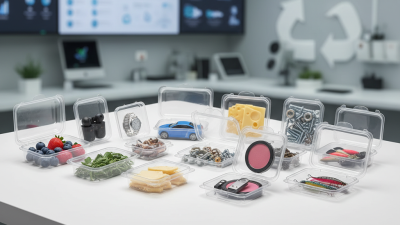
Plastic clamshell containers play a crucial role in packaging and storage. Their unique design allows for easy access while ensuring safety. These containers are widely used in various industries, from food to electronics.
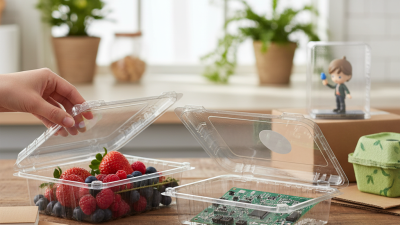
One significant advantage of plastic clamshell containers is their visibility. Products inside are on display, attracting potential buyers. This transparency boosts sales, especially in retail environments. However, not all containers are created equal. Some may not provide adequate protection against damage or contamination.
Moreover, sustainability is a growing concern. Many consumers are aware of plastic waste. While plastic clamshell containers are convenient, they can contribute to environmental issues. Finding a balance between utility and sustainability remains a challenge in modern packaging solutions.
Overview of Plastic Clamshell Containers in Packaging and Storage
Plastic clamshell containers are gaining attention in the packaging and storage industry. Their design allows for easy visibility and access to the product inside. According to a 2022 report by Packaging Strategies, the global market for clamshell packaging is projected to reach $10 billion by 2026. This significant growth highlights the increasing demand for practical and efficient storage solutions.
These containers offer several advantages. They are lightweight, durable, and recyclable, appealing to both consumers and businesses. In a survey conducted by PMMI, over 70% of respondents preferred clamshells due to their clear visibility. This visibility reduces the chances of product damage during transit. However, not all clamshell containers are created equal. Some can be difficult to recycle, which raises environmental concerns.
Moreover, these containers can be problematic for specific products. Certain clamshells may not provide adequate ventilation, affecting perishable goods. Research from the Food Packaging Forum indicates that improper ventilation can shorten shelf life. This showcases a need for design improvements. Balancing functionality and sustainability is essential as the industry evolves. As the market for these containers expands, the focus should remain on addressing these challenges effectively.
Usage of Plastic Clamshell Containers in Different Industries
This chart illustrates the market share of plastic clamshell containers across various industries. The food and beverage sector holds the largest share, demonstrating the essential role these containers play in packaging perishable products. Other industries, such as electronics and cosmetics, also utilize clamshells for their protective qualities.
Key Advantages of Using Plastic Clamshell Containers for Products
Plastic clamshell containers offer several advantages for packaging and storage. Their transparent design allows easy visibility of products. This visibility can enhance retail appeal, increasing purchase decisions by up to 25%, according to industry studies. They are versatile and can hold various items, from food to electronics.
These containers are lightweight yet durable. They protect products from damage during transportation. Packaging professionals report that nearly 40% of product damage occurs during shipping. Clamshells help mitigate this risk. The environmental aspect is also worth noting. Many manufacturers now focus on using recyclable materials for these containers, aligning with consumer preferences for sustainable packaging.
Tips: When using clamshell containers, consider the seal quality. A poor seal can lead to spoilage. Additionally, ensure that the dimensions of the container match the product to avoid unnecessary movement. This avoids waste and enhances protection. Lastly, while clamshells are convenient, remember to assess their environmental impact and explore recycling options.
Material Composition and Environmental Considerations of Clamshells
Clamshell containers play a significant role in the packaging and storage industry. These containers are typically made from materials like PET (polyethylene terephthalate) and PP (polypropylene). According to a report by Smithers Pira, the global market for plastic packaging is expected to reach $500 billion by 2024. This growth highlights the importance of understanding the materials used in clamshell designs.
While PET is recyclable and lightweight, it is crucial to address its environmental impact. In the U.S., only about 29% of PET bottles are recycled, as reported by the National Recycling Coalition. This statistic raises concerns about the long-term effects of plastic waste. Moreover, clamshells often end up in landfills. This contributes to the growing environmental issues we face. The conversation around recycling must involve improved systems and public awareness.
The challenge lies in balancing functionality with sustainability. Clamshell containers offer protection and visibility for products, yet their disposability is contentious. Consumer habits also affect this dynamic. Many consumers are unaware of proper recycling practices. The industry must strive for better education and innovative materials. This issue needs more attention as sustainability remains a hot topic. The conversation around clamshells should be continual and evolving.
Versatile Applications of Clamshell Containers Across Industries
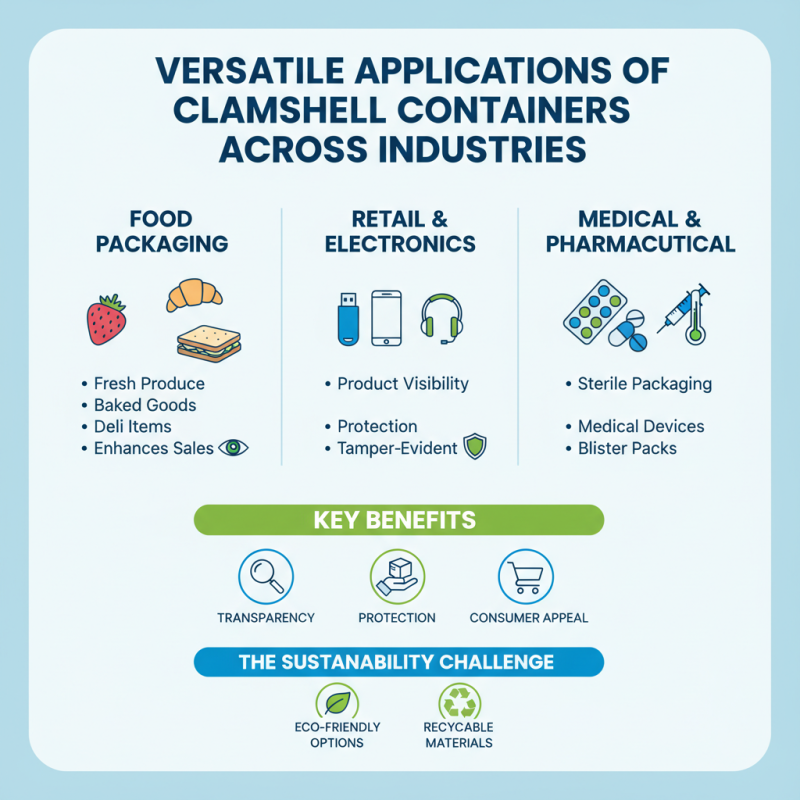
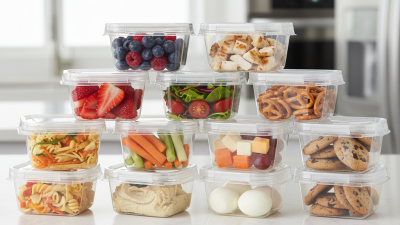
Clamshell containers are widely used across various industries due to their versatility. In food packaging, these transparent containers provide excellent visibility. Customers can easily see fresh produce, baked goods, or deli items. This feature can enhance sales. However, not all clamshells are eco-friendly, prompting a need for sustainable options.
In the retail sector, clamshells protect delicate items like electronics or cosmetics. They prevent damage during transit and display products attractively. Yet, the sturdiness of these containers sometimes leads to excessive waste. Companies must find a balance between protection and environmental responsibility.
The medical industry also benefits from clamshell containers. They securely store tools and components, ensuring safety and sterility. But, the cost of high-quality materials can be a concern. It’s critical to weigh the benefits against financial impacts. As industries evolve, clamshell containers must adapt to meet changing needs while addressing environmental impact.
Best Practices for Storing and Handling Clamshell-packaged Goods
Clamshell packaging offers a practical solution for various products. However, handling these goods requires careful attention. Improper storage can lead to damages, affecting product quality. According to industry reports, nearly 30% of packaged goods suffer from deterioration due to inadequate handling.
When storing clamshell-packaged items, keep them in a cool, dry place. Avoid direct sunlight. Heat can warp the plastic, compromising its structure. Place items on shelves, not directly on the floor. This reduces the risk of damage from moisture and pests.
Tips: Regularly inspect your storage area. Look for signs of wear or damage to the packages. This proactive approach can help preserve product integrity. Consider using dividers for delicate items. This minimizes movement and protects against breakage. Always prioritize cleanliness in storage areas to ensure the longevity of your products.
Practicing careful handling can prevent loss and reduce waste. Small mistakes in storage decisions can lead to significant issues. Remember, each product deserves proper care to maintain its quality. Make handling a priority for successful storage.