What is a Print Inspection System and How Does It Work?
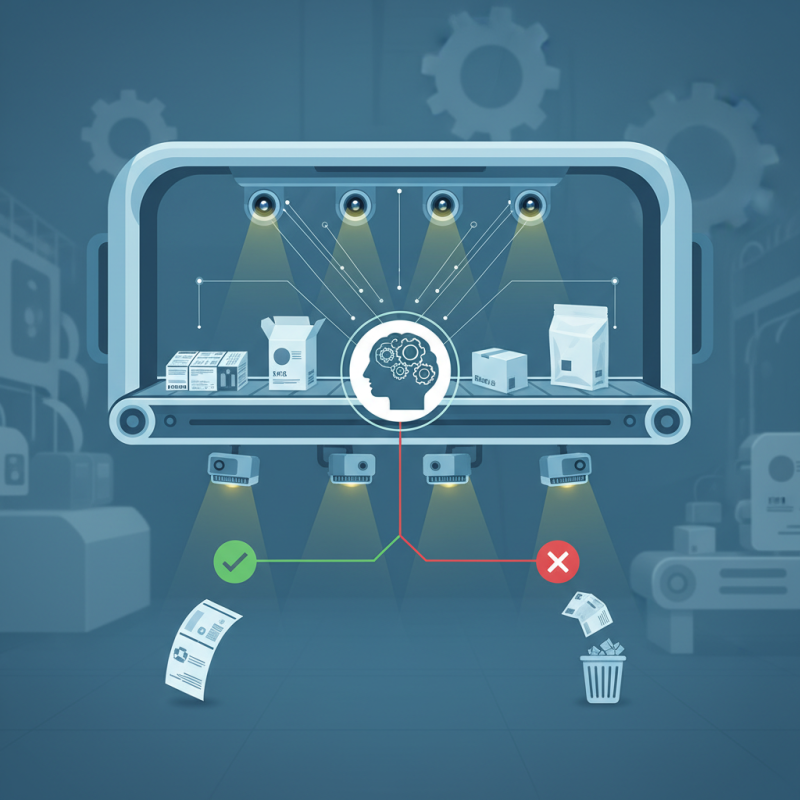
A Print Inspection System is a crucial tool in modern manufacturing. It ensures that printed materials meet high-quality standards. This technology uses advanced imaging to detect defects in real-time. Whether in labels, packaging, or commercial printing, precision matters.
In industries where quality is paramount, missed errors can lead to significant losses. Print Inspection Systems identify issues like misalignment, color variations, and ink smudges. They enhance efficiency and reduce waste. However, integrating such systems requires a careful approach.
While these systems provide reliable results, they are not infallible. Occasional false positives can occur, leading to unnecessary rejections. Continuous improvement is essential for achieving optimal performance. Ultimately, a strong Print Inspection System contributes to brand integrity and customer satisfaction.
What is a Print Inspection System?
A print inspection system is crucial for quality control in various industries. These systems automatically detect defects in printed materials. They use advanced imaging technology to identify issues like misalignment, color variations, and print smudges. According to a report by Smithers Pira, nearly 68% of print defects occur during the production phase, emphasizing the need for reliable inspection systems.
Effectively, print inspection systems analyze each printed item in real time. They can catch errors that human inspectors might overlook. Statistics show that implementing such systems can reduce rework costs by up to 30%. This cost efficiency can greatly benefit manufacturers, as it streamlines the production process. It also increases overall satisfaction among clients by ensuring consistent print quality.
However, as technology evolves, challenges arise. The integration of new software with existing systems can sometimes lead to unexpected complications. Some users report initial difficulties in calibrating these systems for optimal performance. Continuous training for operators is essential. Despite these potential hurdles, the advantages of a robust print inspection system significantly outweigh its drawbacks in today’s competitive market.
Key Components of Print Inspection Systems
Print inspection systems play a vital role in maintaining quality standards in the printing industry. These systems leverage advanced technology to detect defects and ensure the final products meet specifications. Understanding the key components of these systems can help optimize their effectiveness.
One key component is the camera system. High-resolution cameras capture images of printed materials. These cameras can identify color variations, alignment issues, and missing elements. Proper positioning and lighting are essential for accurate detection. A poorly calibrated camera may overlook defects, leading to compromised quality.
Another important aspect is the software that processes the captured images. This software uses algorithms that can compare actual outputs against predefined standards. It can streamline inspections by generating reports and alerts. However, the software must be regularly updated to adapt to new printing techniques or materials. Neglecting updates can result in outdated evaluations.
Tips: Regularly calibrate your camera system for optimal results. Invest time in training your staff on software updates. Small adjustments can lead to major improvements in detection accuracy. Remember, quality control is an ongoing process; don't wait for problems to arise.
Print Inspection System Performance Analysis
How Print Inspection Systems Operate
Print inspection systems are essential in modern manufacturing, ensuring quality and consistency in printed products. These systems utilize advanced technologies like cameras and sensors to scrutinize printed materials. They detect defects such as misalignment, color discrepancies, and smudges. By automating the inspection process, they reduce human error and save time.
During operation, print inspection systems scan each printed item in real-time. High-resolution cameras capture images of the print, analyzing them against predefined quality parameters. This process is quick, often achieved in a matter of seconds. However, challenges can arise. Variability in print materials or environmental factors can affect accuracy. Operators need to calibrate systems regularly to maintain performance.
Data collected from inspections provides valuable insights. It's not just about identifying flaws; it's also about understanding trends in production. This knowledge can guide improvements in print processes. While systems are reliable, they are not infallible. Continuous monitoring and adjustments are necessary to achieve optimal results. In this evolving landscape, the role of print inspection systems remains crucial.
Benefits of Implementing Print Inspection Systems
Implementing a print inspection system can lead to significant quality improvements in manufacturing processes. According to a report by Smithers Pira, 70% of companies that adopted such systems reported reduced wastage. This reduction is crucial in today’s competitive market, where efficiency is key. By utilizing advanced imaging technologies, these systems detect defects in real-time, ensuring only top-quality products reach the market.
Moreover, print inspection systems enhance compliance with industry standards. A study from the National Association of Printing Leadership estimates that companies using automated quality checks can improve their compliance rates by up to 60%. This not only safeguards brand integrity but also fosters consumer trust. Failing to adopt these technologies could leave companies vulnerable to costly recalls and reputational damage.
While many benefits are evident, there are challenges to consider. High initial costs can deter small businesses. Additionally, staff training is essential to maximize the system’s effectiveness. A lack of understanding may lead to underutilization or operational errors. Businesses should weigh these factors carefully. Embracing print inspection technology requires a commitment to continuous improvement and adaptation in a rapidly changing manufacturing landscape.
Applications of Print Inspection Systems in Various Industries
Print inspection systems play a vital role in various industries, enhancing quality control and operational efficiency. In packaging, for example, accuracy is paramount. A report from Smithers highlights that nearly 30% of packaging errors occur during printing. Such mistakes can lead to significant financial losses and damage to brand reputation. Print inspection systems help detect issues like misprints or under-inks in real-time. This allows companies to correct errors before products reach consumers.
In the pharmaceutical sector, print inspection is crucial for compliance. The World Health Organization asserts that 10% of medicines worldwide are falsified. Print inspection systems can verify labels and codes on medication packaging, ensuring correct information and safety. Automated systems catch discrepancies faster than manual checks, thus streamlining production lines.
Furthermore, the food industry faces stringent regulations. According to a study by the Food and Drug Administration, accurate packaging labels are essential to prevent allergic reactions. Print inspection systems help maintain compliance by verifying printed information, including expiration dates and ingredient lists. Despite their importance, many companies still underestimate system integration challenges. They often overlook the need for regular calibration and updates, leading to potential quality issues.
What is a Print Inspection System and How Does It Work? - Applications of Print Inspection Systems in Various Industries
| Industry | Applications | Key Benefits | Technology Used |
| Packaging | Quality control of labels and packaging prints | Increased accuracy in product labeling | Camera-based visual inspection |
| Pharmaceutical | Verification of printed information on drug packaging | Compliance with regulatory standards | OCR and barcode scanning technology |
| Food & Beverage | Monitoring of expiry dates and batch codes | Reduction of product recalls | High-resolution digital cameras |
| Textiles | Inspection of printed fabrics | Quality assurance in design fidelity | Image processing software |
| Cosmetics | Checking the accuracy of labels and print clarity | Enhancement of brand image | Machine learning algorithms for defect detection |