888-395-5000

What Is Tinted Plastic Film and What Is It Used For?

Tinted Plastic Film is a thin polymer sheet colored during manufacture or treated with a surface tint. It can reduce glare, soften incoming light, add privacy, or change an object’s appearance. The result depends on the film’s material, color, thickness, and installation. A darker shade does not automatically provide better performance. Some products use dyes; others rely on pigments or layered construction. These methods can affect color stability and optical clarity.

You may see tinted film on windows, display panels, packaging, vehicle interiors, and decorative surfaces. On a sunny window, it can make a room feel less harsh and help limit fading of nearby fabrics when the film is designed for that purpose. On packaging, colored film may protect contents from some light while keeping products visible. These effects vary. Check product specifications rather than judging by appearance alone. A tint by itself does not prove UV protection.

This guide explains how Tinted Plastic Film is made, which properties matter, and where it is commonly used. It also considers practical choices such as light transmission, heat exposure, durability, and surface compatibility. When relevant, look for measured visible-light transmission and supporting performance data. A sample can look different once applied. Small changes matter. Installation quality matters, too. Some films may scratch, bubble, or discolor sooner than expected in demanding conditions. No single option suits every job. The right choice begins with the task, the environment, and realistic expectations. That sounds simple, but it is easy to overlook.
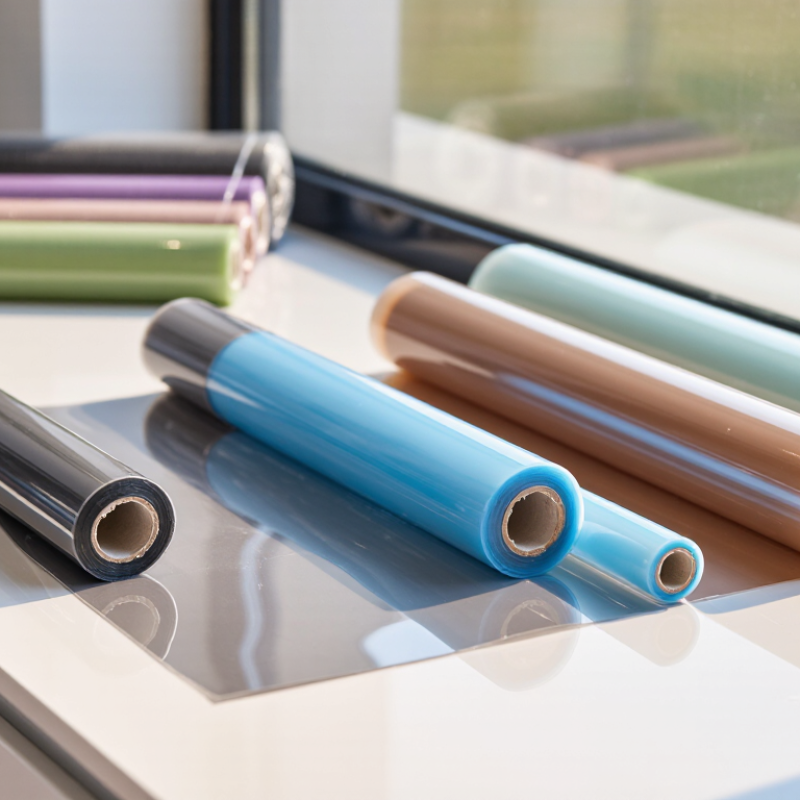
What Is Tinted Plastic Film and What Is It Used For?

What Tinted Plastic Film Is

Tinted plastic film is a thin polymer layer whose color comes from dyes, pigments, or, in some designs, colored layers. Polyester is common, though other plastics may be used. The tint changes how much visible light passes through the film and can soften glare or alter appearance. It is not simply colored wrapping. Some films also include adhesive and a hard coating to help with installation and resist scratches.

The shade alone does not reveal how well a film blocks heat or ultraviolet radiation. Those properties depend on its construction and should be checked in product performance data. That distinction is easy to miss. A dark-looking film may not provide the heat control someone expects. IEA’s 2024 Global Status Report for Buildings and Construction reports that buildings and construction accounted for 32% of global energy use in 2023. This is broad sector data, not proof that tint film reduces energy use. For a window application, compare visible light transmission and solar performance figures, not color alone. A small sample held against the glass can show the visible change, but it cannot replace measured specifications.

What Is Tinted Plastic Film and What Is It Used For?

Tinted plastic film contains colorants that reduce the amount of visible light passing through it. It is used on windows, greenhouse panels, packaging, and display materials for shading, privacy, or appearance.

Visible light transmission (VLT) is the percentage of visible light that passes through a material. These example values represent possible tint levels, not fixed industry standards; actual transmission varies by film and application.

How Tinted Plastic Film Is Made

Tinted plastic film is usually made by coloring polymer pellets before they become a thin web. A compounder blends pigment or dye into resin, often as concentrated masterbatch. The processor meters this concentrate into the extruder with base resin. Small dosing errors can shift a whole roll’s shade. It happens.

Inside the barrel, heat and screw shear melt and disperse the color. The melt passes through a flat die for cast film or a circular die for blown film. Air pressure, chill rolls, and haul-off speed help set thickness and clarity. Additives may improve UV resistance, slip, or heat control, but can also change haze and sealing behavior. Operators compare samples with a color reference and measure thickness and light transmission. A tint that looks even on a small sample may look patchy across a wide sheet.

Consistency matters at scale. PlasticsEurope’s Plastics—The Fast Facts 2024 reports that packaging represented about 39% of European plastics converter demand in 2022. The OECD’s Global Plastics Outlook (2022) attributes 40% of global plastic waste in 2019 to packaging. These figures are not specific to tinted film, but they underline the value of careful formulation and scrap control. Darker pigment is not automatically better. It may reduce visible light while also changing solar heat gain, so testing the intended light spectrum is more reliable than judging color by eye.

What Is Tinted Plastic Film and What Is It Used For? - How Tinted Plastic Film Is Made
Topic Description Examples and Notes
What tinted plastic film is A thin plastic sheet that has been given color by adding colorants to the material or applying a colored layer to its surface. Its appearance and light transmission depend on the polymer, colorant, film thickness, and any additional coatings.
Common plastic substrates Polyethylene terephthalate (PET), polyvinyl chloride (PVC), and polyethylene or polypropylene films can be colored for different uses. PET is widely used for glazing and display films; PVC and polyolefins are used in various decorative, packaging, and protective applications.
Automotive glazing Window film can reduce glare and help limit solar heat and ultraviolet transmission, depending on its construction and performance specifications. Automotive films are commonly installed on the inside of vehicle windows. Visible-light transmission and local regulations should be checked before installation.
Buildings and windows Architectural film can add tint or decorative color to glazing and may help manage glare and solar energy entering a space. Products vary: a colored appearance alone does not establish a particular level of heat rejection, UV protection, or energy performance.
Packaging and product presentation Colored film can provide visual differentiation, partial light screening, or an opaque or translucent appearance for packaging. Suitable films depend on the packaging process and the product’s requirements for sealing, durability, and light protection.
Decorative and protective applications Tinted film is used for colored overlays, labels, displays, surface decoration, and selected protective coverings. Surface treatments or coatings may be added to improve properties such as scratch resistance or printability.
Step 1: Choose the polymer The manufacturer selects a plastic resin according to the intended application, processing method, and required properties. Considerations can include clarity, flexibility, strength, temperature resistance, and compatibility with coatings or adhesives.
Step 2: Add or apply color Color may be incorporated into the polymer with pigments or dyes, or introduced in a separate coating or laminated layer. In extrusion, color concentrates are commonly blended with resin. Other film constructions use colored coatings or dyed layers.
Step 3: Form the film The colored material is made into a thin, continuous sheet by a process such as extrusion; coating and lamination can create multi-layer films. Process choice depends on the substrate and product design. Not all tinted films are made using the same method.
Step 4: Finish and convert The film may be treated, coated, laminated, or paired with an adhesive and release liner before being slit or cut to size. These finishing steps can prepare film for installation, printing, packaging, or other end uses.
Key product checks Relevant specifications may include color consistency, thickness, clarity, adhesion, durability, and light-transmission performance. For glazing applications, consult tested product specifications and applicable safety or installation requirements rather than judging performance by tint alone.

Common Types and Key Properties

Tinted plastic film is a thin polymer layer that changes how light passes through a surface. Common types include dyed film, where color is added to the polymer, and surface-coated film, which may use pigments or reflective layers. Some films are designed for windows; others add color, soften glare, or protect printed packaging. A faint gray film can reduce brightness without hiding a room’s outlines. Decorative versions may be translucent, not clear.

Key properties vary by construction. Visible light transmission describes how much visible light passes through; solar heat gain and UV transmission describe other parts of the spectrum. These values matter more than shade alone.

The International Energy Agency’s 2023 Buildings report estimates that buildings use about 30% of global final energy and produce 26% of energy-related emissions. That is useful context, not proof that any tinted film will cut energy use. Performance depends on the glass, climate, installation, and film specification.

Look for stated optical performance, UV resistance, thickness, adhesive quality, and weathering data. Scratches show quickly on glossy surfaces. A darker film may improve glare control but make interiors feel dim. There is a trade-off. Product sheets can also omit long-term fading tests, so compare test methods and conditions before choosing.

Uses Across Industries and Everyday Life

Tinted plastic film is a thin polymer sheet colored with dyes or pigments, sometimes paired with coatings that change how light passes through it. It appears on vehicle windows, building glazing, display panels, protective covers, and printed graphics. Some films reduce glare or help limit fading, but performance depends on the material, tint, and coating. Not every film does.

In construction, tinted window film can soften harsh afternoon light in offices and homes while helping rooms feel more comfortable. Installers consider the glass type, sun exposure, and indoor lighting; a dark film may make a room feel gloomy. In agriculture, colored greenhouse films can influence the light reaching plants, while ground-cover films may help warm soil or suppress weeds. Results vary with crop and climate. Details matter.

Packaging is another practical use. A tinted layer can help shield light-sensitive contents, though the full package must suit the product and its storage conditions. In everyday life, people encounter tinted films on sunglasses, phone displays, privacy panels, and reusable folders. A small tint can improve comfort or appearance, yet it may also make colors harder to judge accurately. That trade-off is easy to overlook. The best choice depends on what the film needs to do, not simply how dark it looks.

Factors to Consider When Choosing Tinted Film

What Is Tinted Plastic Film and What Is It Used For?

Factors to Consider When Choosing Tinted Film

Tinted plastic film reduces visible light passing through windows and can soften glare or add privacy. The right choice depends on where it will be used. A film that feels comfortable on a sunny living-room window may make a shaded room too dim. Check the film’s visible-light transmission and heat-control specifications, rather than judging by darkness alone. Darker does not always mean better.

Consider the glass type, room conditions, and desired appearance before buying. Some films may not suit certain glazing, so check the film maker’s compatibility guidance or ask a qualified installer. Look for clear information about UV reduction, color stability, and cleaning needs. A low-cost sample can help, but it may look different across a full window. That detail is easy to miss. Privacy also changes with lighting: at night, an illuminated room may be visible from outside.

Tips: Compare a sample in morning and afternoon light. View it from both sides, and check whether it affects your view or indoor brightness. Keep a small uncovered area for comparison. If the choice still feels uncertain, that is a reason to test more—not to guess.